
SUNGUDI COTTON SAREES
Celebrate the beauty of authentic South Indian handloom craftsmanship with Sungudi Cotton Sarees at Shrus. Originating from the historic textile hubs of Tamil Nadu, these sarees are renowned for their distinctive tie-and-dye artistry, vibrant colours, and lightweight comfort. Every Sungudi saree reflects centuries of weaving heritage, making it a cherished choice for women who appreciate traditional Indian textiles. What makes Sungudi Cotton Sarees truly unique is their intricate dotted patterns, created through a meticulous hand-tied dyeing process passed down through generations. Inspired by nature, folklore, and cultural motifs, these sarees showcase artistic craftsmanship while maintaining a graceful simplicity that never goes out of style.
Crafted from breathable cotton fabric, Sungudi sarees are exceptionally comfortable for daily wear, office wear, summer dressing, festive occasions, temple visits, and cultural celebrations. Their lightweight texture allows for effortless draping, while the vibrant colours add a refreshing elegance to every look. At Shrus, our collection features traditional and contemporary Sungudi designs that blend heritage aesthetics with modern styling preferences. Whether you're looking to buy cotton sarees online, explore authentic handloom sarees, or invest in timeless ethnic wear, Sungudi Cotton Sarees offer unmatched versatility and charm. Browse the latest Sungudi Cotton Saree collection at Shrus and experience the perfect combination of comfort, craftsmanship, and tradition with premium quality and all-India delivery.
Sort by
2 products
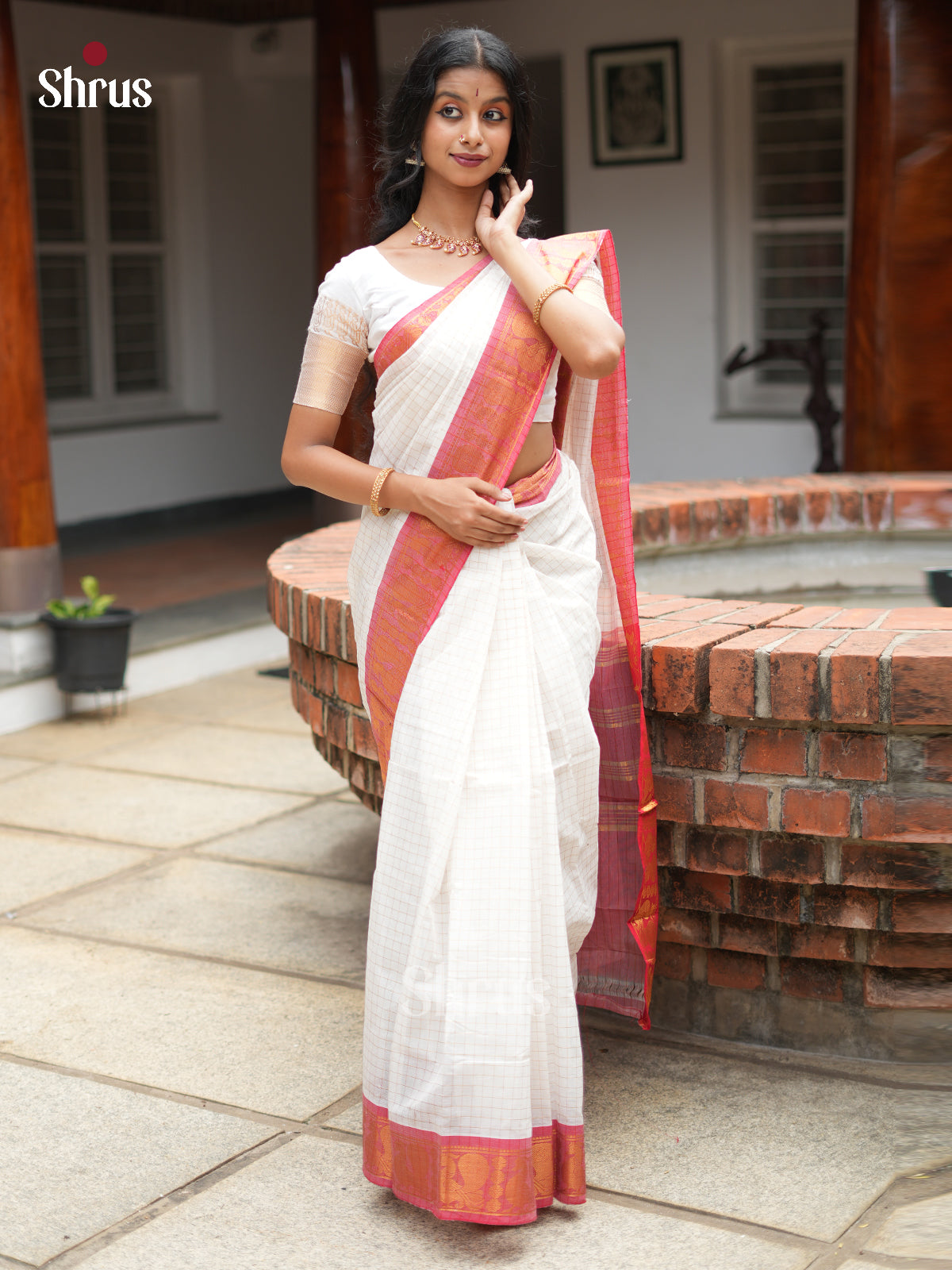
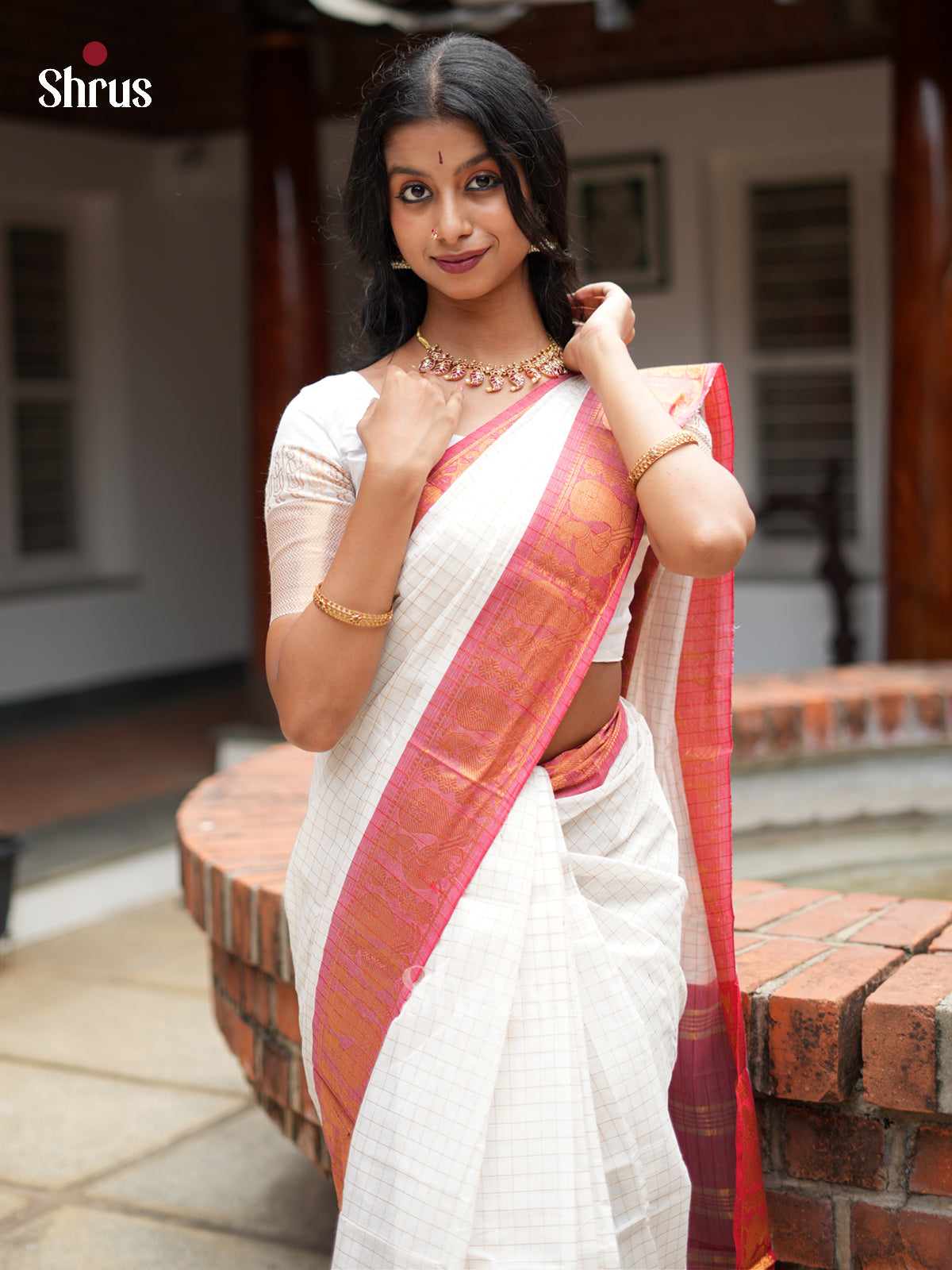
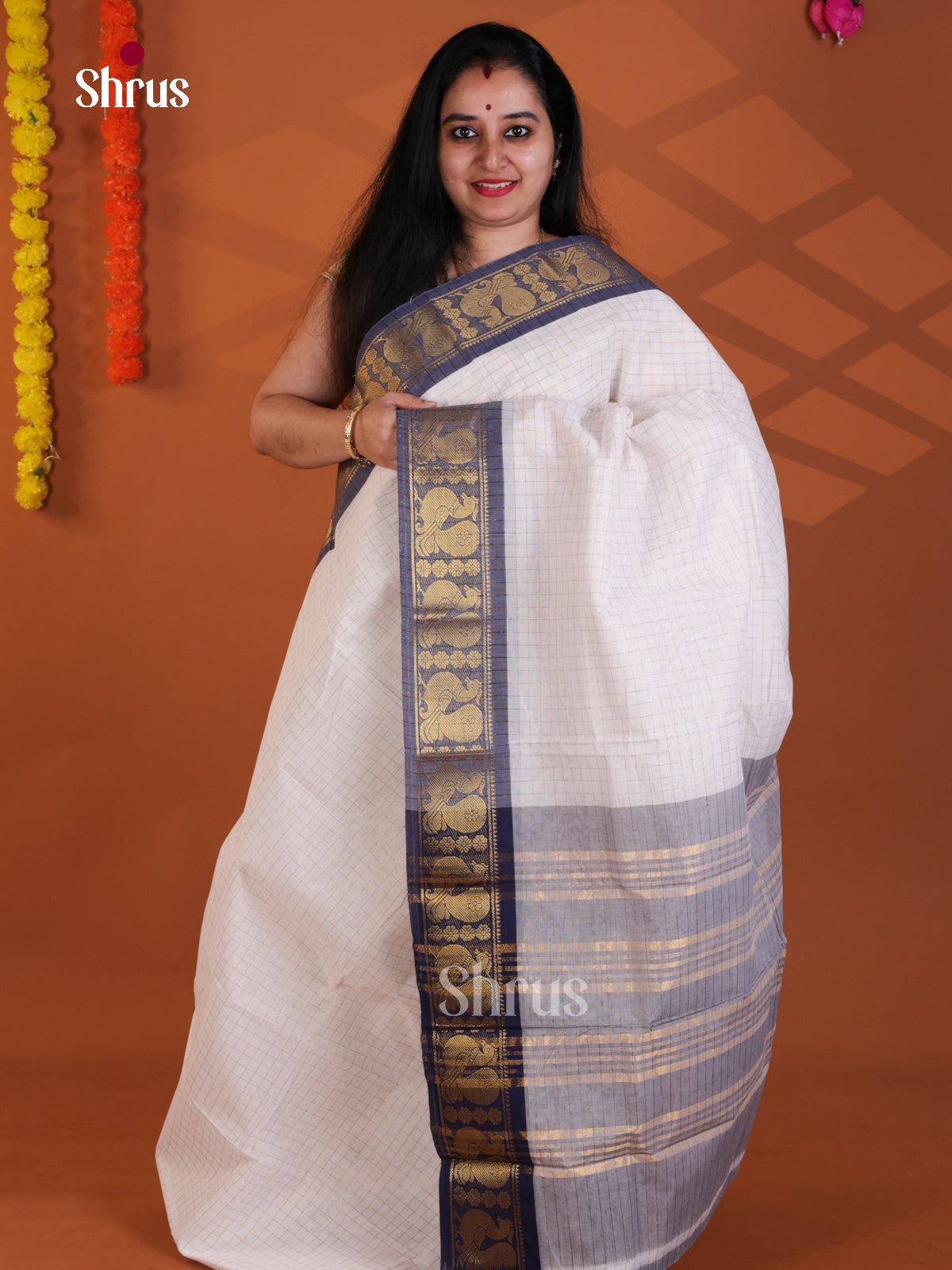
Recently viewed
Need help?
Frequently Asked Questions
What is a Madurai Sungudi cotton saree?
Hailing from the historic city of Madurai, Tamil Nadu, a Madurai Sungudi is a traditional handloom cotton saree. It is globally renowned for its unique, labor-intensive tie-and-dye (resist-dyeing) technique, which creates thousands of tiny, signature dotted patterns across the fabric.
What is the history and origin of Sungudi sarees?
Dating back to the 17th century, this historic craft emerged when the Saurashtrian weaving community migrated from Gujarat to South India under the royal patronage of King Thirumalai Nayaker. They ingeniously adapted their ancestral northern resist-dyeing skills—akin to Bandhani—to suit Tamil Nadu's tropical climate, utilizing lightweight cotton to forge an entirely new textile identity.
How are the iconic dots made on a Sungudi saree?
Derived from the concept of "round dots" or "knots," Sungudi relies on a meticulous process where artisans manually bind 10,000 to 15,000 microscopic knots across fine cotton fabric using thread. When submerged in dye, these tightly bound knots resist the color, unveiling a beautiful, starry pattern of circular white blocks when untied.
What are the main characteristics of a genuine Sungudi saree?
Authentic Sungudi sarees are characterized by:
--The Texture: Exceptionally lightweight, highly breathable, and 100% pure cotton yarn perfect for hot weather.
-- The Borders: Bold, contrasting solid-color borders often embellished with beautiful woven gold zari lines or traditional motifs.
-- Human Touch: Subtle irregularities in the spacing or shape of the white dots, which proves they were hand-tied rather than machine-printed.
How should I wash and maintain a Sungudi cotton saree?
For the initial few washes, hand wash the saree separately in cold water with a mild, chemical-free liquid detergent, as natural dyes can slightly bleed at first. Avoid machine washing or harsh wringing. Always line dry flat in a heavily shaded area away from direct sunlight to preserve color vibrancy.
